Why are wheels hard to clean?
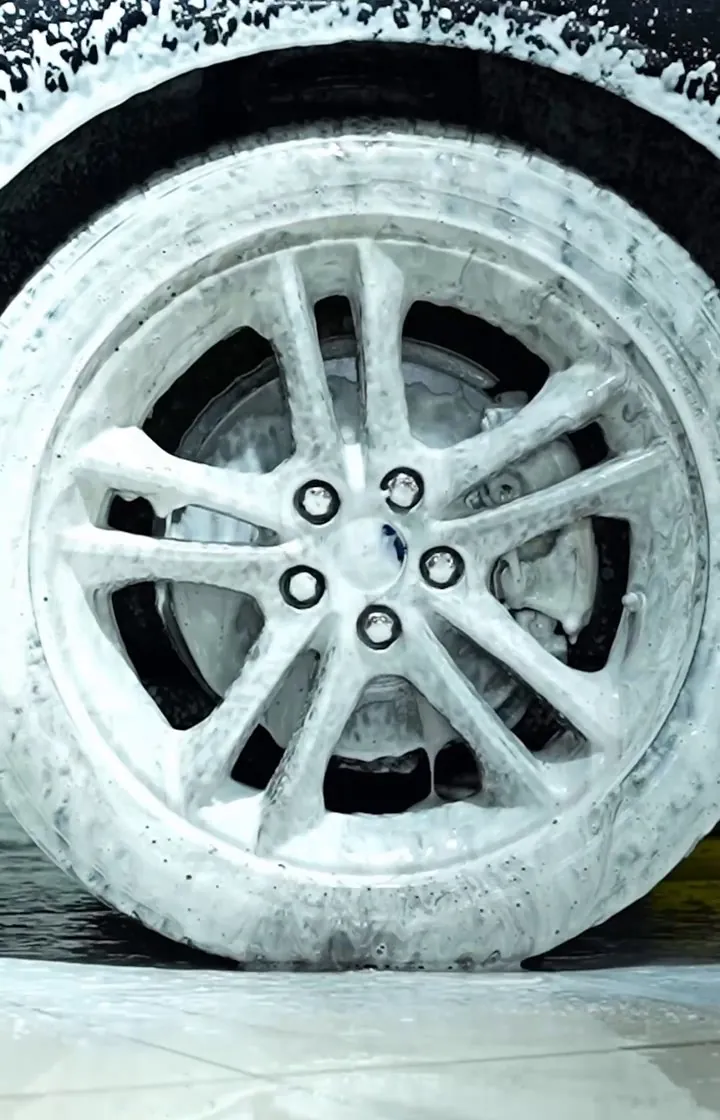
Besides road grime, wheels collect brake dust. Brake dust contains hot metal particles that stick to the wheel during braking and, if left for a long time, no longer come off with normal shampoo. Add tar residue and oil, and wheels need a different product from the bodywork.
Types of wheel cleaner
- Alkaline wheel cleaners: strong on oil, brake dust and road grime. Strongly alkaline products may not suit delicate surfaces.
- Acidic wheel cleaners: effective on heavy deposits, but with a high risk of damaging clear coat, coatings and metal.
- pH neutral iron removers: dissolve iron particles and are safer on coated and delicate wheels.
Choosing by wheel type
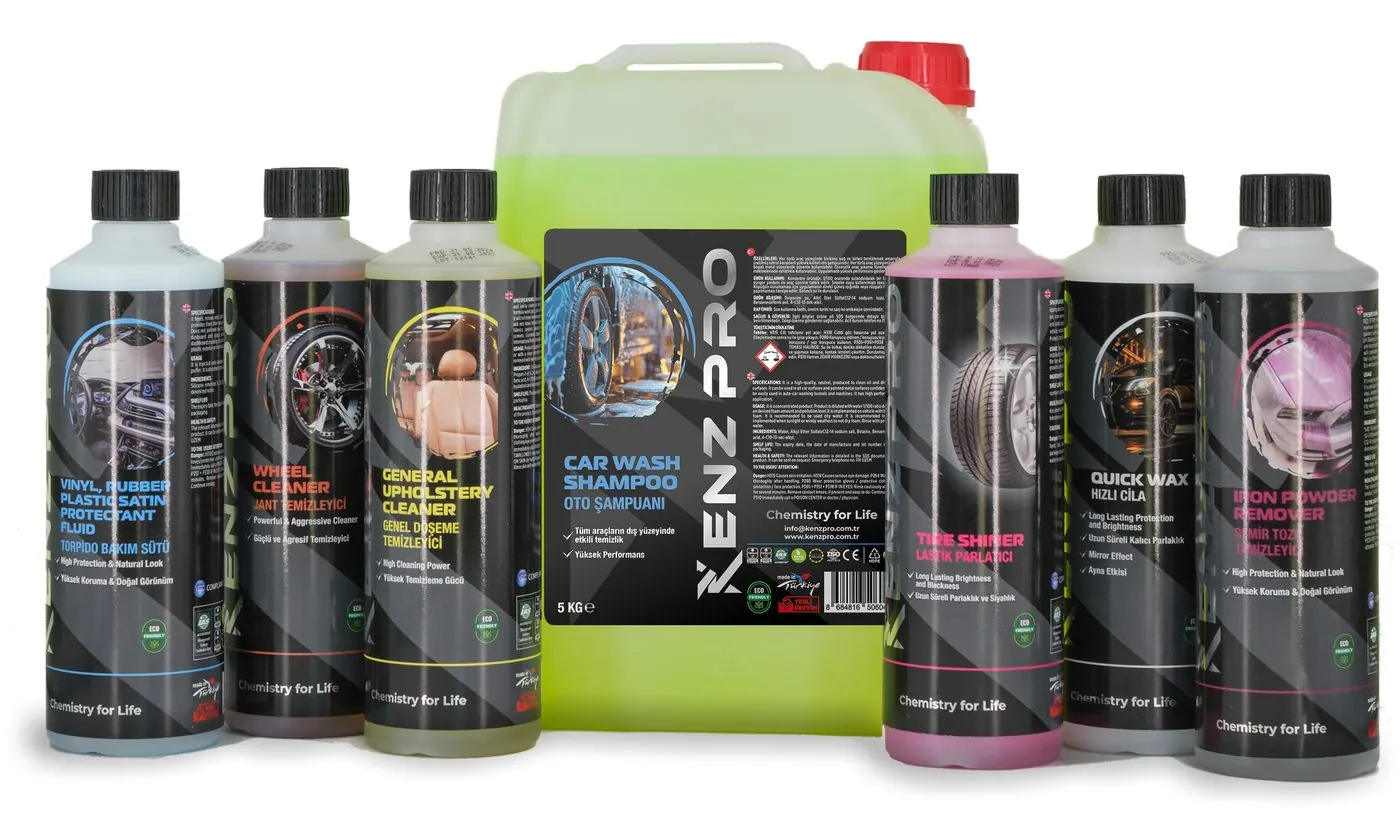
- Steel wheels: KenzPro Wheel Cleaner is effective on brake dust and tar residue. It is a strongly alkaline product (pH 13–14); do not let it dry, and use protective equipment.
- Painted, chromed or damaged wheels: test a small hidden spot first.
- Ceramic-coated wheels: choose the pH neutral Iron Remover.
- Aluminium, anodised and polished metal wheels: strongly alkaline and acidic products can dull these surfaces. Follow the wheel manufacturer's recommendations.
Step-by-step wheel cleaning
- Wear gloves, eye protection and protective clothing; read the product label.
- Make sure the wheel is cool; do not apply straight after driving.
- Remove loose dirt with pressurised water.
- Spray the product onto the wheel face and between the spokes; do not breathe in the spray.
- Leave for 1–2 minutes without letting it dry.
- Agitate heavily soiled areas with a wheel brush.
- Rinse thoroughly with pressurised water, then finish the tyres with Tyre Shine.
Common mistakes
- Applying to a hot wheel or in direct sunlight.
- Letting the product dry on the wheel.
- Using an acidic product for routine cleaning.
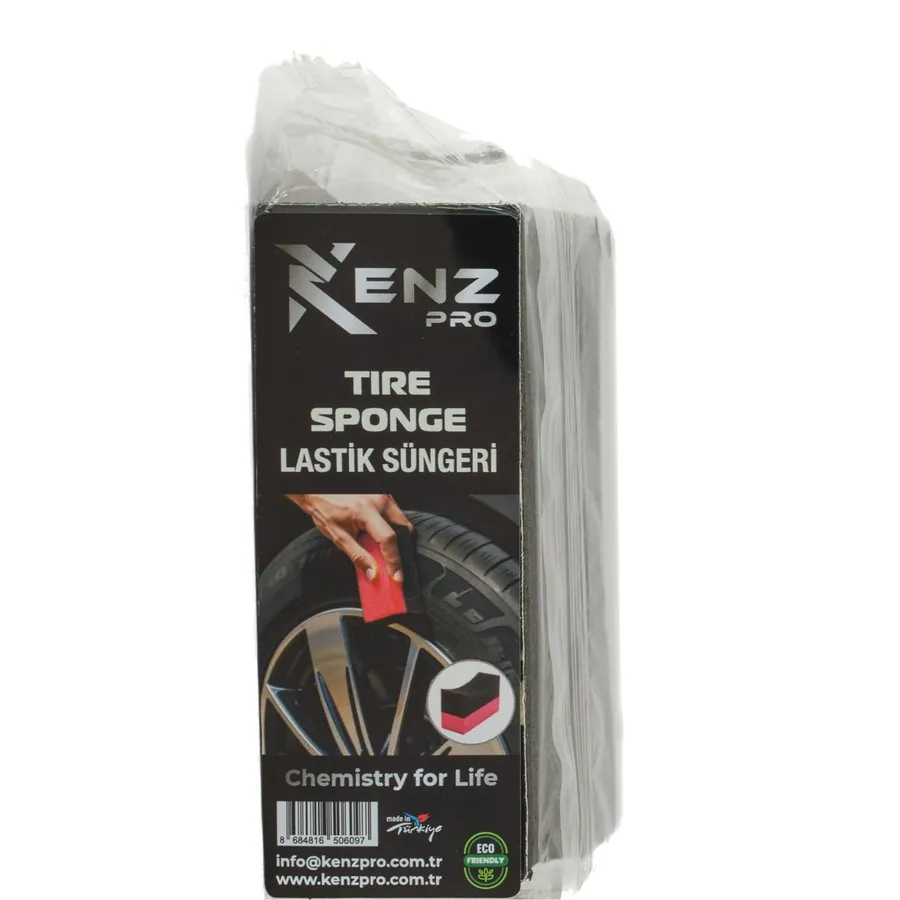
- Using the body sponge on the wheels: brake dust can scratch the paint.
- Spraying all four wheels at once and waiting. Cleaning one wheel at a time lowers the risk of drying.
Wheel cleaner or iron remover?
A wheel cleaner removes oil, tar and general brake dirt. For dark spots that do not wash off you need Iron Remover, which turns purple / pinkish when it reacts with iron. On heavy dirt, apply wheel cleaner first and rinse thoroughly, then move on to the iron remover. Never mix the two products.
Frequently asked questions
How often should wheels be cleaned?
During washing or whenever they are visibly dirty. Not leaving brake dust for long lowers the risk of permanent stains.
What if wheel cleaner touches the paint?
Rinse with plenty of water before it dries. Strongly alkaline products must not be left on paint, clear coat or plastic.