What is iron fallout?
Iron fallout consists of tiny metal particles released by friction between brake pads and discs, and carried in the air from places such as railways and industrial areas. These particles stick to paint and wheel surfaces while hot and, over time, rust and form orange-brown spots.
A normal wash cannot remove iron fallout, because the particles are embedded in the surface. If it is not cleaned for a long time, it can make the paint rough and cause permanent stains on wheels and damage to the clear coat.
How can you tell if a car has iron fallout?
- If the washed and dried paint feels rough when you run your hand over it,
- If small orange-brown spots are visible on white or light-coloured cars,
- If there are dark stains on the wheels that do not come off with washing,
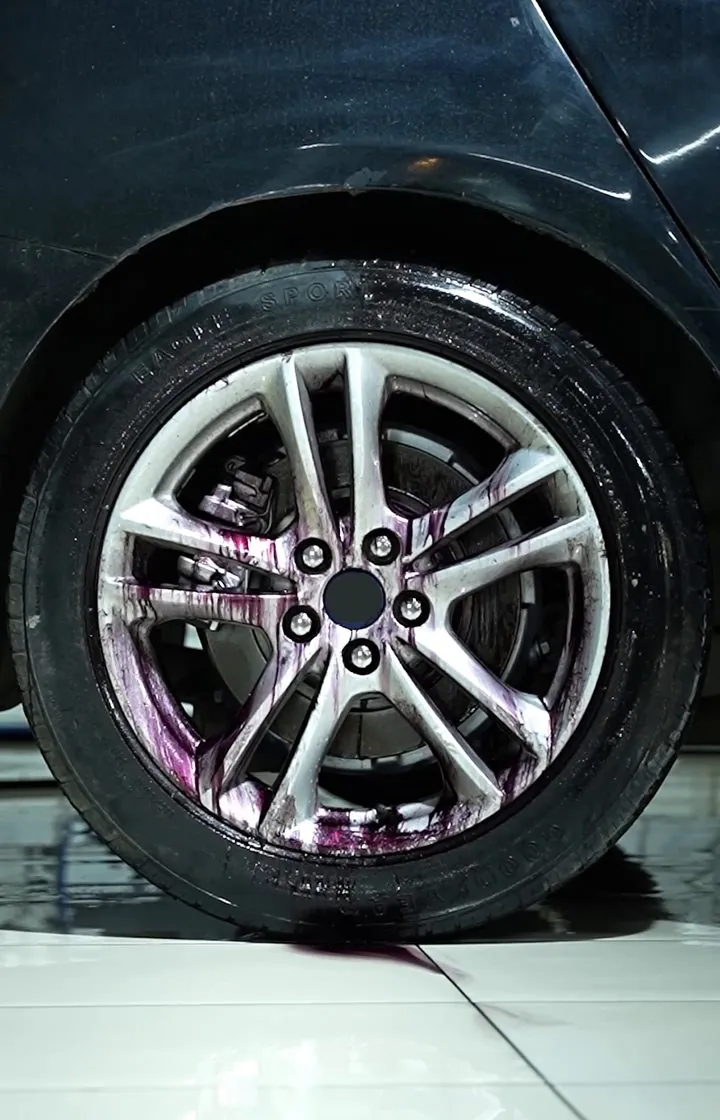
iron fallout has built up on the surface. The surest test is to spray an iron remover: the product turns purple / pinkish when it reacts with iron particles.
Step-by-step cleaning
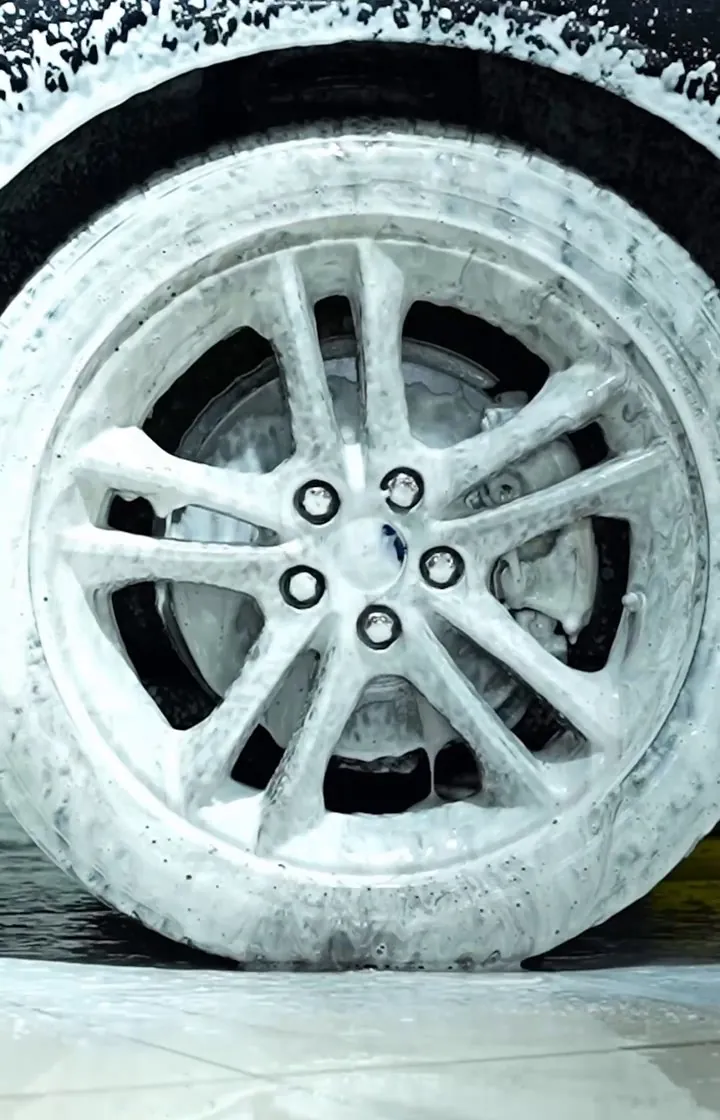
- Wash the car as normal and work in the shade while the surface is cool.
- Spray Iron Remover evenly onto the paint and wheels.
- Wait a few minutes; where iron particles are present, the product turns purple / pinkish and runs down.
- Agitate heavily soiled wheels with a soft brush.
- Rinse thoroughly with pressurised water before the product dries.
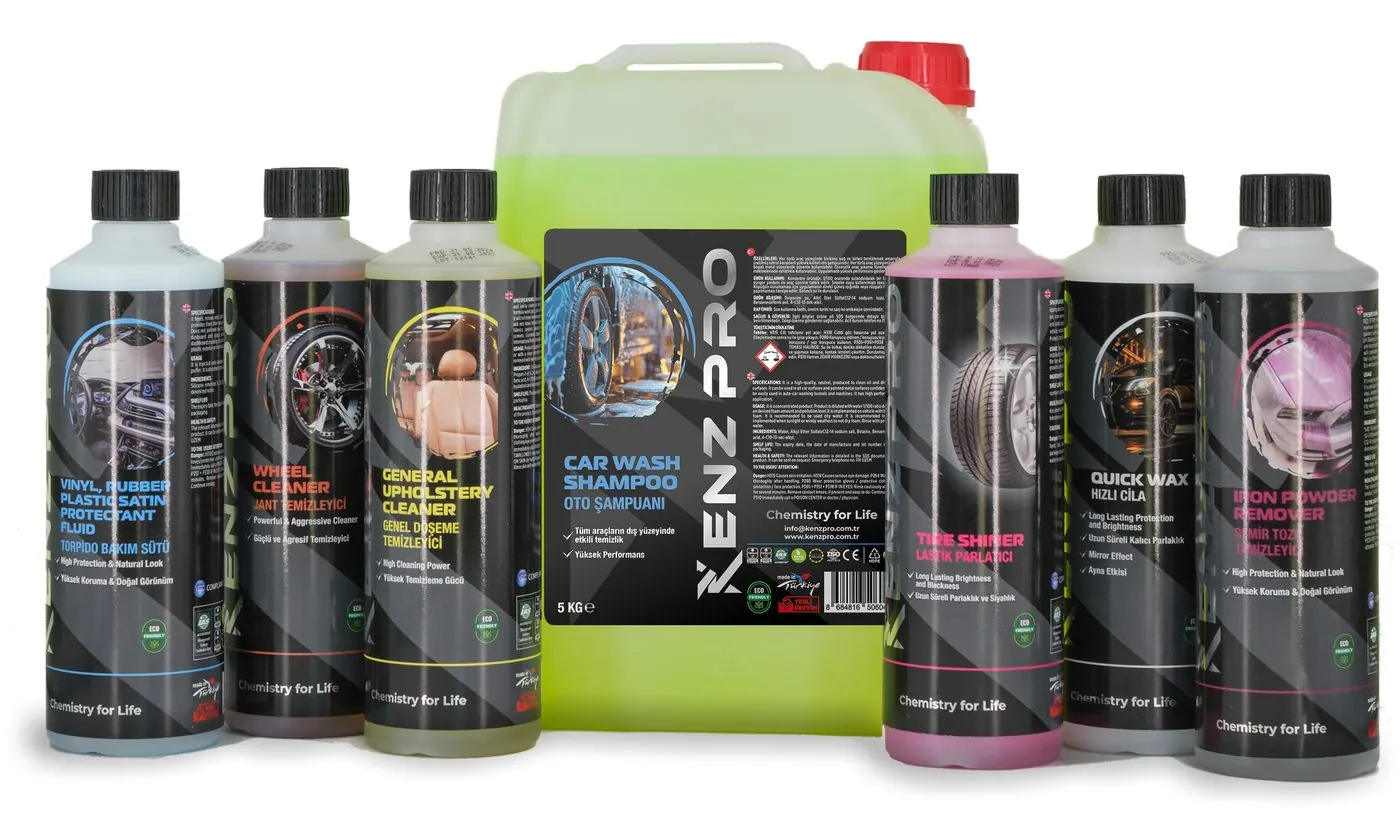
If there is heavy brake dust on the wheels, removing the general dirt with Wheel Cleaner first and then applying iron remover gives better results.
Why choose a pH neutral product?
Acidic wheel cleaners used to be used for iron and brake dust. Acid can damage clear coat, coatings and plastic parts. KenzPro Iron Remover has a pH 6–7 neutral formula and contains no acid; it can be used safely on paint and wheels.
How often should it be done?
On cars used every day, iron fallout should be removed every few months, and always before polishing or applying a ceramic coating. If a coating is applied to a surface that has not been decontaminated, the iron fallout is trapped under the layer.